Hello, my name is Alysha Helmrich.

Dr. Alysha Helmrich (she/her) is an Assistant Professor in the College of Engineering at the University of Georgia. She is affiliated with the Institute for Infrastructure Resilience. Dr. Helmrich labels herself as an 'urban systems engineer' with a BS and MS in Environmental and Ecological Engineering from Purdue University and a PhD in Civil, Environmental, and Sustainable Engineering from Arizona State University. Her research is broadly focused on urban resilience and navigating periods of stability and instability. Alysha is the lead coordinator and a co-host of the Resilient Futures Podcast. She enjoys traveling and hiking in her spare time.

UGA Campus in Fall

Publications

Dr. Alysha Helmrich's research efforts (along with the efforts of her collaborators and team) have resulted in a wide variety of publications. Please follow the link below or visit Google Scholar to learn more. If you cannot access a publication you are interested in, please reach out.
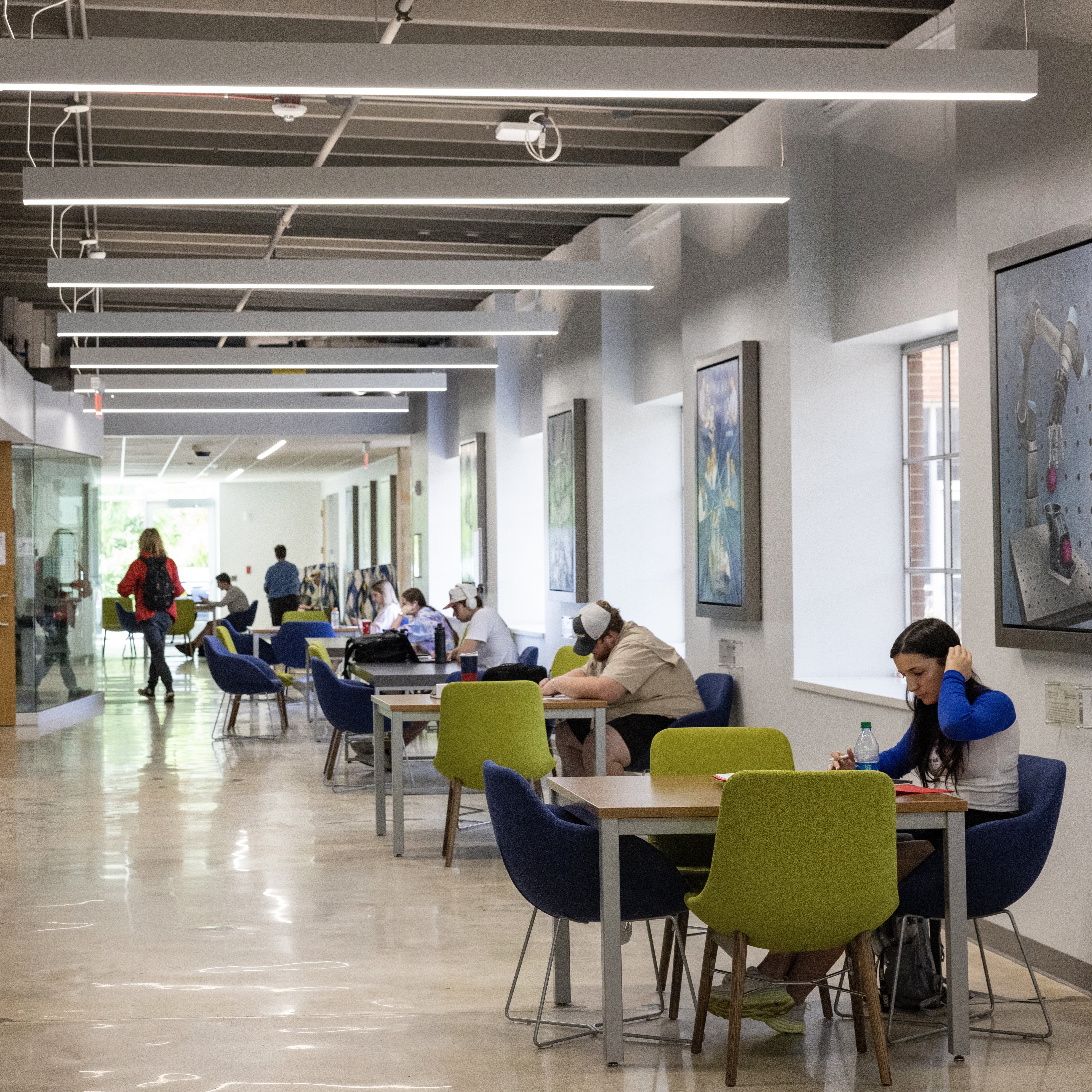

Inside Driftmier Engineering Center

Teaching

UGA's engineering programs provide students with a well-rounded education that emphasizes both technical skills and interdisciplinary knowledge. Please follow the link to learn more about Dr. Helmrich's course portfolio.

UGA Graduation Cap

Mentoring & Supervision

Our research team is dedicated to advancing urban resilience and making a positive impact in communities. We value creativity, innovation, and inclusivity in all that we do, and we strive to develop interdisciplinary approaches that address the growing complexity challenging urban systems. Dr. Helmrich has also completed UGA's Certificate in Diversity & Inclusion, and she is enrolled in the Graduate Mentoring Certificate program.

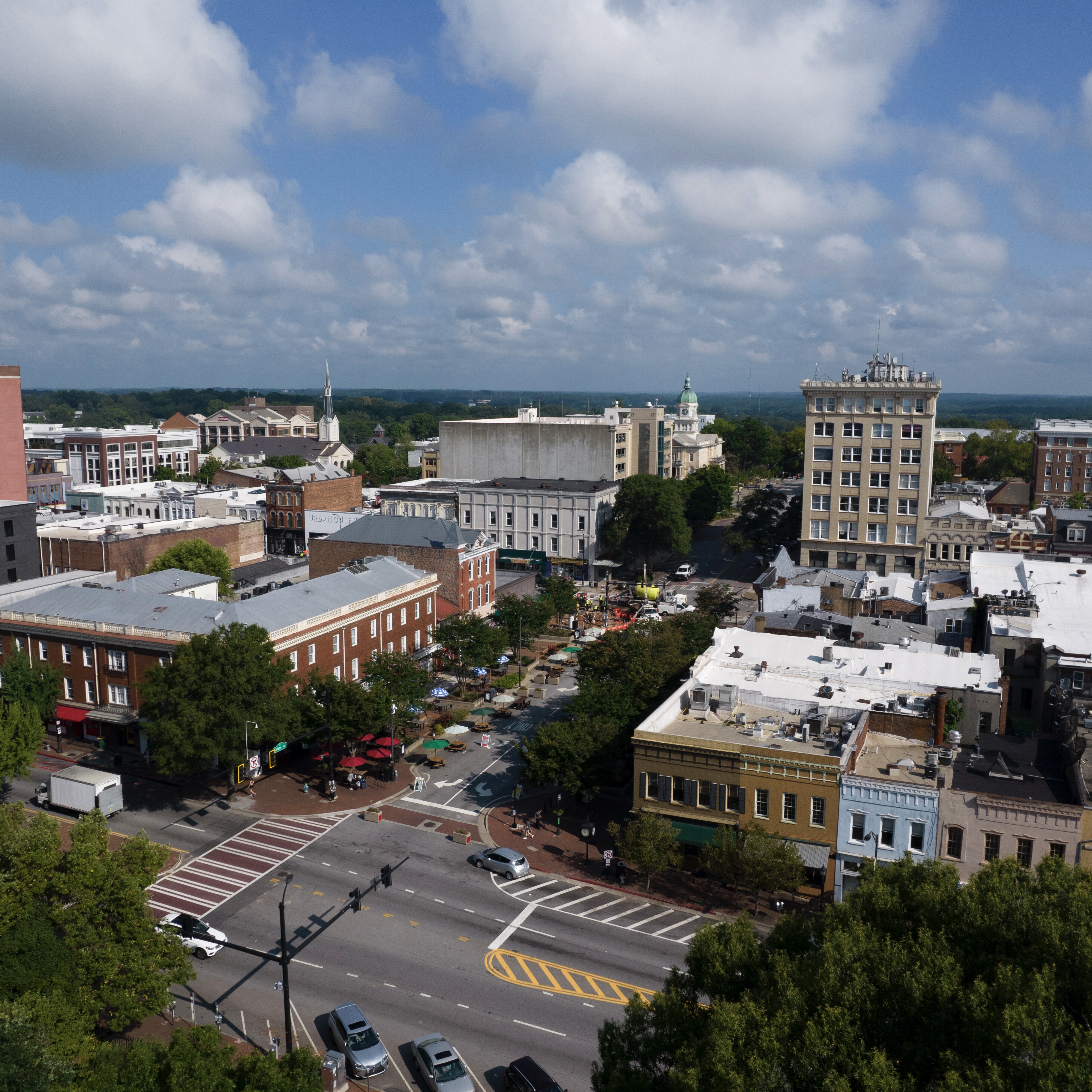
Downtown Athens - Aerial View

Resilient Futures Podcast

Resilient Futures is a monthly podcast that aims to increase awareness of, and to catalyze action on, all things resilience. The show examines this topic by discussing ongoing research, highlighting current efforts in practice, and sharing stories of resilience across the world.

Research Motivation

The environment in which infrastructure systems (comprised of physical networks and institutional governance) must remain viable appears to be characterized by accelerating instability, and infrastructure managers are navigating the growing instability with models and strategies that seem increasingly out of pace with the changing world around them. Traditional infrastructure design approaches were conceived in an era of relative stability, where exploitative strategies (e.g., robust fail-safe designs and hierarchical management) could support reliable infrastructure services. Infrastructure managers are experts at designing for stability. However, there remain many knowledge gaps when designing resilient infrastructure to address instability. Engineering resilience has adopted one of the most restrictive definitions of the term, describing resilience as the ability to recover quickly from failure. As a result, engineering resilience often reduces infrastructure systems to technological components, ignoring the influence of social and ecological forces that shape how our critical systems are governed and how they interact with the environment. This reductionist approach is perpetuated by technical, financial, social, environmental, political barriers that prevent infrastructure managers from pursuing explorative strategies. Infrastructure managers should adopt broader perspectives on resilience to engage with increasing complexity. Resilience paradigms have emerged with growing instability, and resilience research encompasses a variety of disciplines beyond engineering, including complexity sciences, ecology, and leadership and organizational change theories. It appears that resilience is multi-dimensional, where interactions of various systems (e.g., SETS) at various scales (i.e., component to system) need to be explored and assessed to identify strategies (i.e., tools and processes) for advancing the resilience capacity of infrastructure systems.

Areas of Interest

Urban Resilience

Advance resilience of infrastructure and urban systems as more than robustness and recovery but adaptation and transformation, with an emphasis on addressing equity.

Interconnected Infrastructure

Explore water, power, transportation infrastructure networks (physical and institutional) that rely on each other to function and provide essential services.

Social-Ecological-Technological Systems (SETS)

Invest in systems thinking to understand interactions within and between social, ecological, and technological components.

Sensemaking

Create a shared understanding from overwhelming, ambiguous, confusing, or even contradictory information recieved from an increasingly complex environment.

Decision-making

Apply flexible decision-making processes (e.g., scenarios planning, DMDU) to establish holistic decision criteria, weigh personalized priorities, and select best alternatives.

Community Engagement

Collaborate with community members, advocacy groups, and local businesses and organizations in planning and implementation of infrastructure projects.

Contact